Is Venetian Plaster Worth It? Cost vs Value (2026)
By Breno GarretIt costs more than paint. It also lasts 20 years and makes every piece of furniture in the room look more expensive.

5 Star Rated on Google
Licensed & Insured
Family Owned & Operated
Founded by a French-certified painter
You Already Know It Costs More. The Question Is Whether It Costs More Than It Is Worth.
Venetian plaster runs $8 to $20 per square foot. Standard interior paint runs $2.50 to $4.50. So yes, plaster costs 3x to 5x more upfront. That is the number everyone fixates on. If you are weighing it for your own home, see our Venetian plaster in Orange County page.
Considering Venetian plaster in Orange County? Book a free walkthrough and get a written quote. Get a plaster quote
Here is the number they miss.
The 20 Year Math
Standard paint needs a refresh every 5 to 7 years in lived-in rooms. Over a 20 year period, that is 3 to 4 repaints. Each repaint includes prep, labor, materials, and disruption to your home.
Venetian plaster is applied once and lasts the full 20 years. It hardens over time. It develops a patina that most homeowners prefer to the original finish. It does not chip, peel, or fade the way paint does.
When you compare the total cost of ownership over 20 years, Venetian plaster is often comparable to or less than the cumulative cost of repainting.
The Value Beyond Numbers
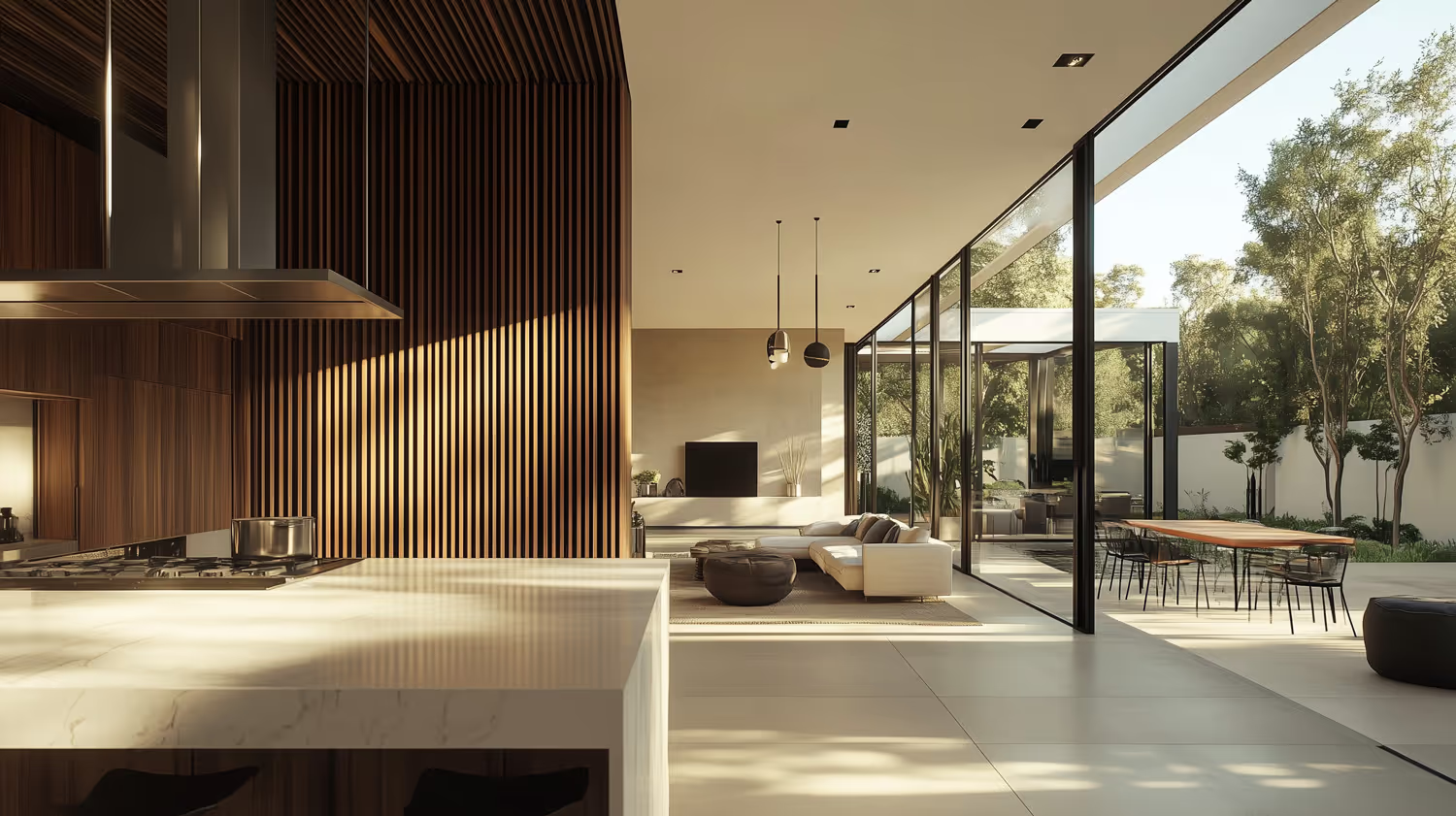
Every piece of furniture looks more expensive. A $6,000 sofa against builder grade flat paint reads as mid-range. The same sofa against a polished plaster wall reads as luxury. The wall is the frame. The furniture is the art. A better frame makes everything inside it look better.
Guests notice. Nobody walks into a room with Venetian plaster and says nothing. The finish creates an immediate visual and tactile impression that flat paint cannot achieve. If you care about how your home presents to visitors, plaster does the heavy lifting.
Resale perception. A buyer who walks into a home with polished plaster walls does not experience the same property as a buyer who walks into builder greige. Premium finishes photograph better, list better, and create stronger emotional response. Whether that translates to a higher sale price depends on the market, but it absolutely affects how quickly and confidently a buyer makes an offer.
When It Is Not Worth It
If you are planning to sell within 2 years, the payback period is too short. Standard paint with a good color choice is the smarter investment for a quick sale.
If the home is a rental, Venetian plaster is overkill. Tenants do not care about mineral finishes, and repair is more complex than repainting.
If the room gets heavy physical contact (kids playroom, mudroom), the investment is better placed on a durable paint finish that is easy to touch up.
When It Is Worth Every Dollar
If you plan to stay in the home for 5+ years. If you care about how the space feels, not just how it looks. If you have invested in furniture, lighting, and design and the walls are the last piece that does not match. If you want a finish that gets better with age instead of worse.
Read: How Long Does Venetian Plaster Last
What We Check Before We Start
We check the wall itself before quoting Venetian plaster. Polished plaster shows every flaw in the wall under it, so the surface has to be ready.
- Flatness. Bumps, dips, and old texture show through a polished finish. Textured walls may need skim coating first.
- Moisture. Plaster should not go on walls with active leaks or damp spots. We find the cause before any finish goes on.
- Cracks. Cracks in drywall or framing can come back through plaster. We repair and tape them first.
- Light. Side light from windows and lamps shows the depth of the finish. We look at where light hits the wall to plan the look.
- Use of the room. A powder room, a living room, and a shower area need different products and sealers.
How to Care for Venetian Plaster
Venetian plaster needs very little care. Dust it with a soft dry cloth and wipe marks with a damp cloth and mild soap.
- Avoid harsh cleaners, scrub pads, and anything with ammonia or bleach.
- In kitchens and bathrooms, a protective wax or sealer helps resist water and stains.
- Small chips and scratches can often be repaired in place by a trained applicator, without redoing the whole wall.
What Changes the Price
The condition of the wall and the finish you choose change the price most. A smooth wall ready for plaster costs less than one that needs skim coating and repairs.
- High gloss polished finishes take more coats and more burnishing than matte finishes.
- Tall walls, ceilings, curves, and arches take more time.
- Many corners, outlets, and openings slow down the work.
- Wax or sealer for wet areas adds a step.
Questions Homeowners Ask Us
Can Venetian plaster go in a bathroom?
Yes. Venetian plaster works in bathrooms when it is sealed or waxed to resist water. Shower walls need a product made for wet areas.
Can I see the finish before the job starts?
Yes, when the finish needs it. We make a sample board only after the quote is approved, so you can confirm color and sheen before we start the walls.
Who applies the plaster?
Our founder Breno Garret is a French trained decorative painter and a Meoded certified applicator, and he brings that training to our plaster work. Learn more on our Venetian plaster services page.
Schedule a free consultation to discuss whether Venetian plaster is right for your space.
Read the full guide: Limewash vs Venetian Plaster